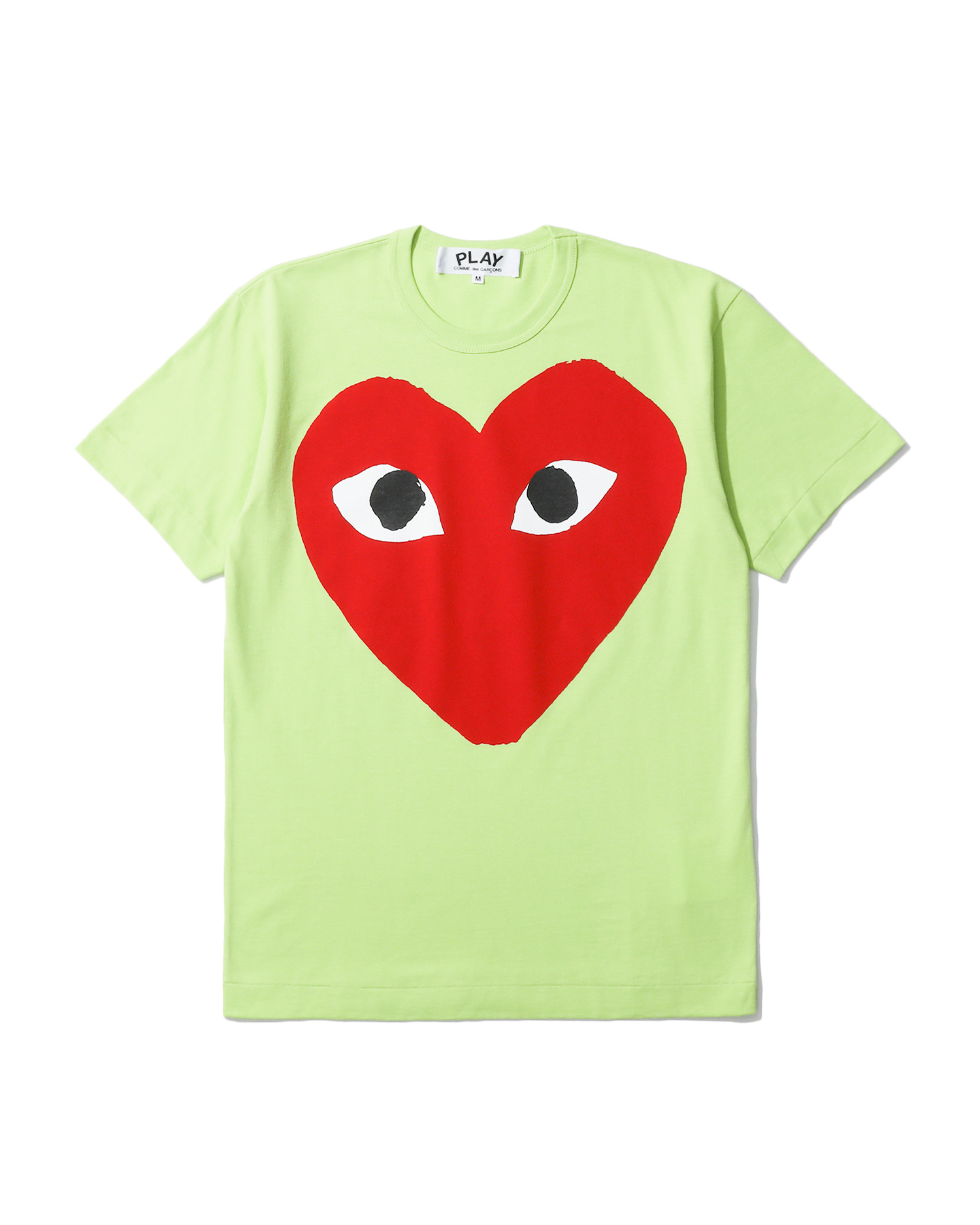
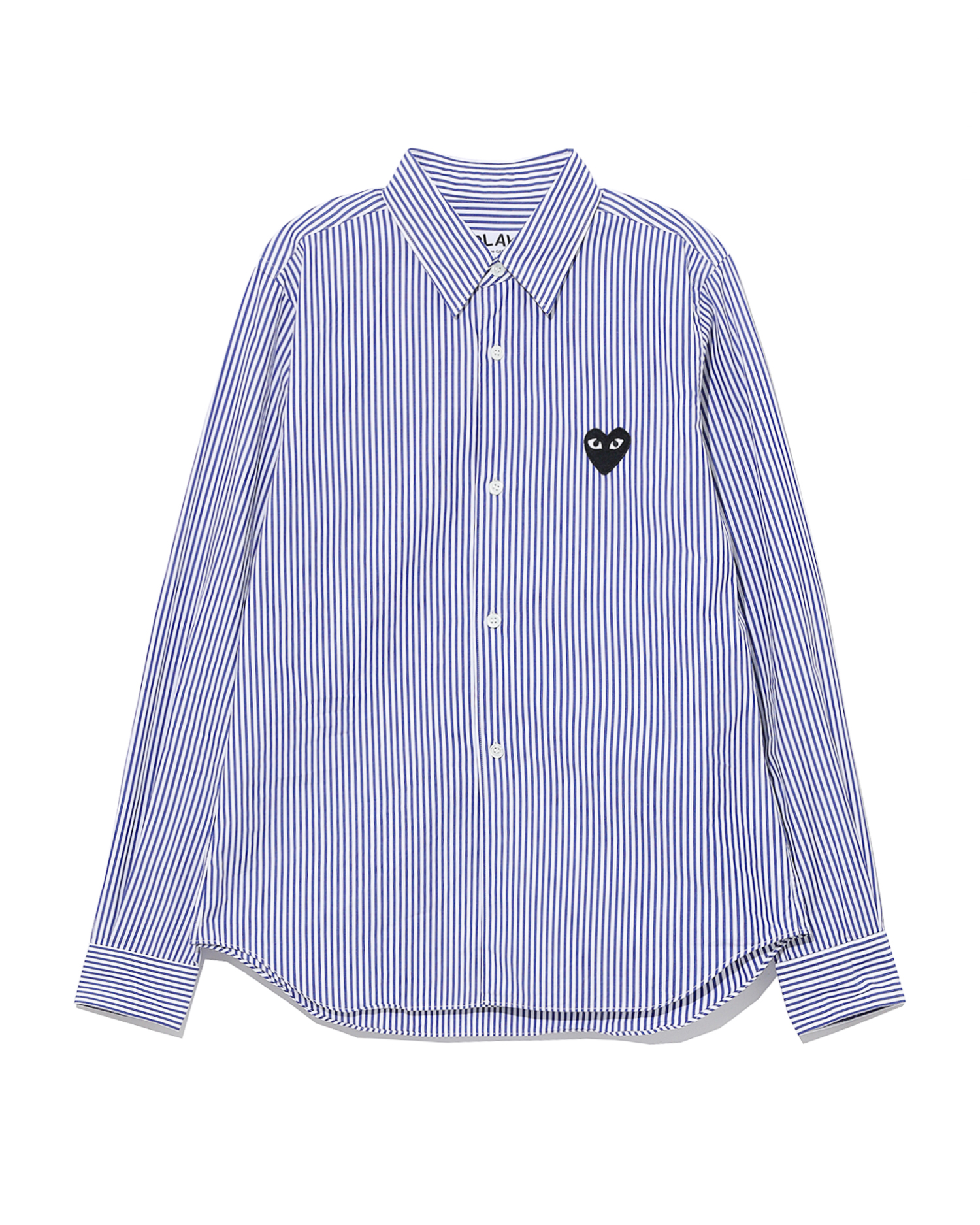
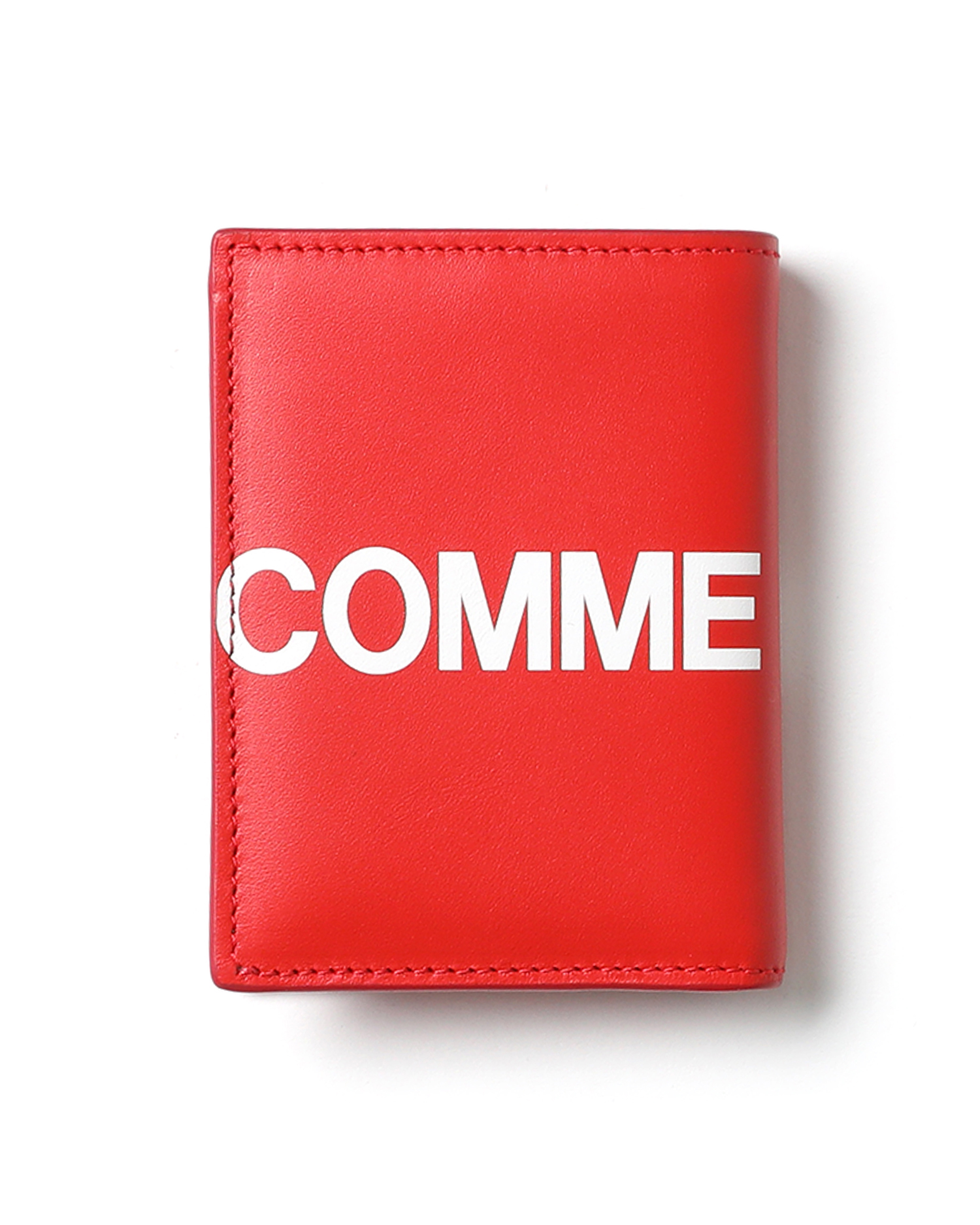
There is a peculiar irony in the fact that Rei Kawakubo, the architect of fashion’s most enduringly rebellious house, has never been interested in nostalgia. Since 1969, Comme des Garçons has operated on a principle of radical negation—the destruction of silhouette, the rejection of ornament, the deliberate dismantling of what clothing is supposed to mean. Kawakubo does not look back; she looks through, past, and beyond. So when news broke that the largest private collection of her work—265 rare pieces amassed by the anonymous collector known as dot COMME—is heading to auction, the fashion world paused. This is not merely a sale of garments; it is a philosophical rupture, a moment where the very concept of preservation collides with the house's foundational anti-fashion ethos. To archive Comme des Garçons is, in a sense, to betray it. Yet to let it go, as this collector is doing, might be the most faithful act of devotion imaginable.
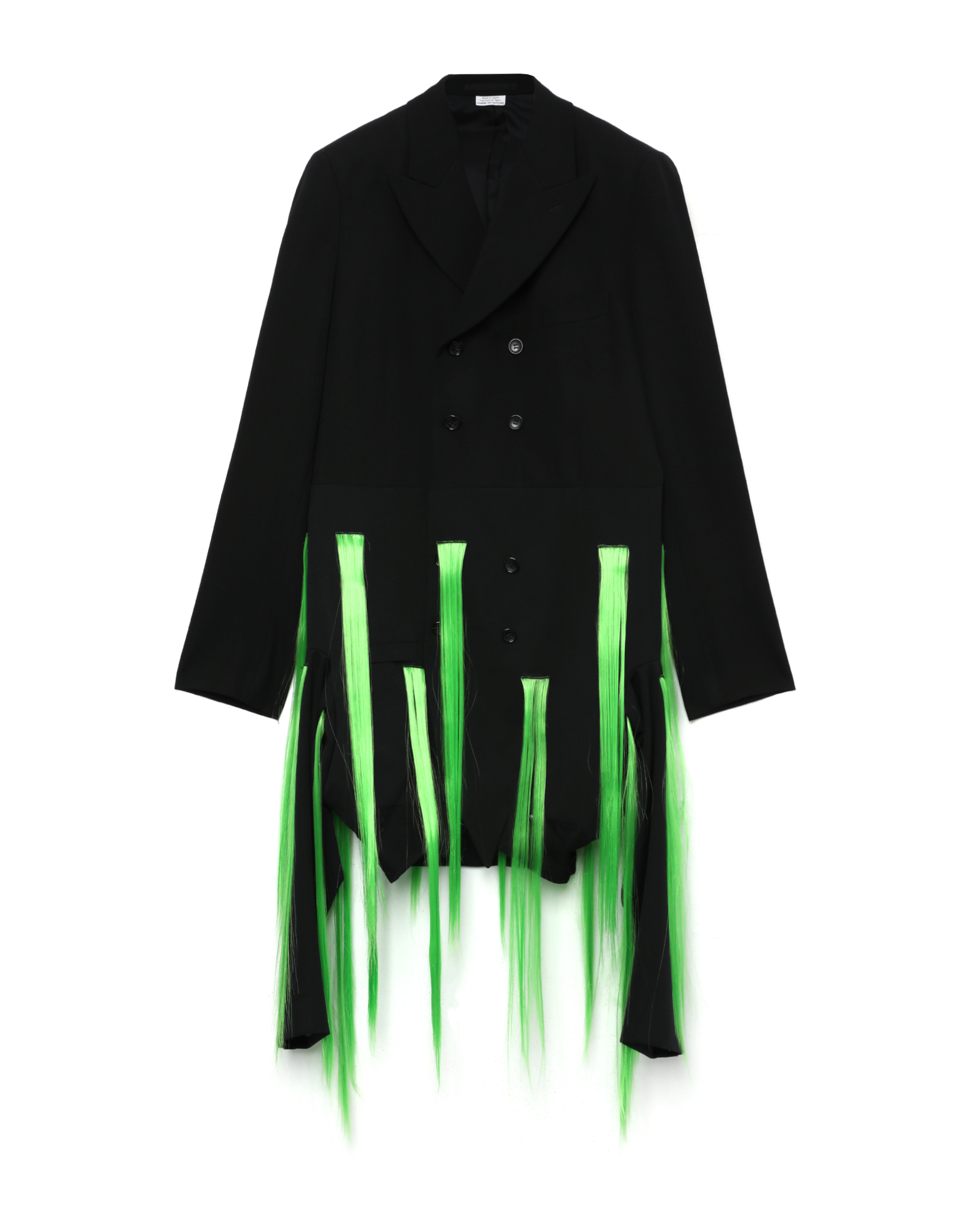
The garments in question span decades of Kawakubo’s most radical output: the shredded knits of the early 1980s that scandalized Paris, the padded lumps of the 1997 “Body Meets Dress—Dress Meets Body” collection, the deconstructed tailoring that redefined menswear and womenswear alike. These are not clothes in the conventional sense. They are sculptures, arguments, and manifestos stitched into fabric. The collector, who told Highsnobiety that he has learned he is “crazy,” spent years hunting these pieces across global archives, vintage stores, and private sales. He treated them not as wardrobe items but as art objects, preserving them in climate-controlled storage, cataloguing every seam and stain. And now, in a gesture that feels almost Buddhist in its detachment, he is releasing them back into the world. The auction, hosted by the platform dot COMME, is being framed as a landmark event—but its true significance lies in what it says about the transience of fashion’s most permanent-seeming provocations.
The Paradox of Preservation
What makes this auction so subversive is that it flies in the face of the luxury industry’s current obsession with permanence. Heritage houses spend fortunes on museums, restoration ateliers, and digital archives, all designed to freeze their histories in amber. Kawakubo, meanwhile, has always designed for the moment of impact—the shock of a silhouette, the discomfort of a fabric, the confrontation of a runway. Her clothes are meant to be worn, torn, and eventually discarded, not preserved under glass. By collecting them, dot COMME was already engaging in a kind of paradox, treating ephemeral fashion as if it were eternal sculpture. But by auctioning them, he is acknowledging a deeper truth: that even the most radical garment is ultimately a document of its time, and documents are meant to be read, not hoarded. The auction becomes an act of anti-archival archiving, a deliberate dispersal that ensures these pieces will live on in new bodies, new contexts, and new interpretations.
Provocations, Not Museum Pieces
This is where the narrative gets genuinely interesting. The buyers at this auction will not be acquiring museum pieces in the traditional sense; they will be acquiring provocations. A 1982 asymmetric jacket, with its frayed edges and deliberate holes, will not sit quietly in a vitrine. It will be worn—possibly to parties, possibly to protests, possibly to the very fashion shows where Kawakubo continues to deny the past. In that sense, the auction is a continuation of Comme des Garçons’ original project. Kawakubo’s work has always been about the disruption of expectation, and what could be more disruptive than taking the most prized artifacts of a collector’s obsession and scattering them like seeds? The pieces will no longer be a unified collection, a singular vision of one person’s taste. They will become fragments of a larger conversation, each one sparking new dialogues about what fashion is, what it was, and what it might become.
The Grace of Release
There is also something deeply human in this act of release. The collector’s decision to sell is not a capitulation to market forces, despite the astronomical estimates these pieces will command. It is an acknowledgment that ownership is a temporary state, and that the true value of art—or fashion, or whatever we choose to call Kawakubo’s creations—lies in its ability to move, to astonish, and to be reinterpreted. In a culture that increasingly treats clothing as disposable content, the auction stands as a defiant reminder that the most radical thing a collector can do is not to hold on, but to let go. The pieces will find new homes, new stories, new scars. They will be worn, admired, and perhaps even destroyed. And in that destruction, they will fulfill the very promise that Kawakubo has been making for over half a century: that fashion is not a monument, but a living, breathing act of defiance.