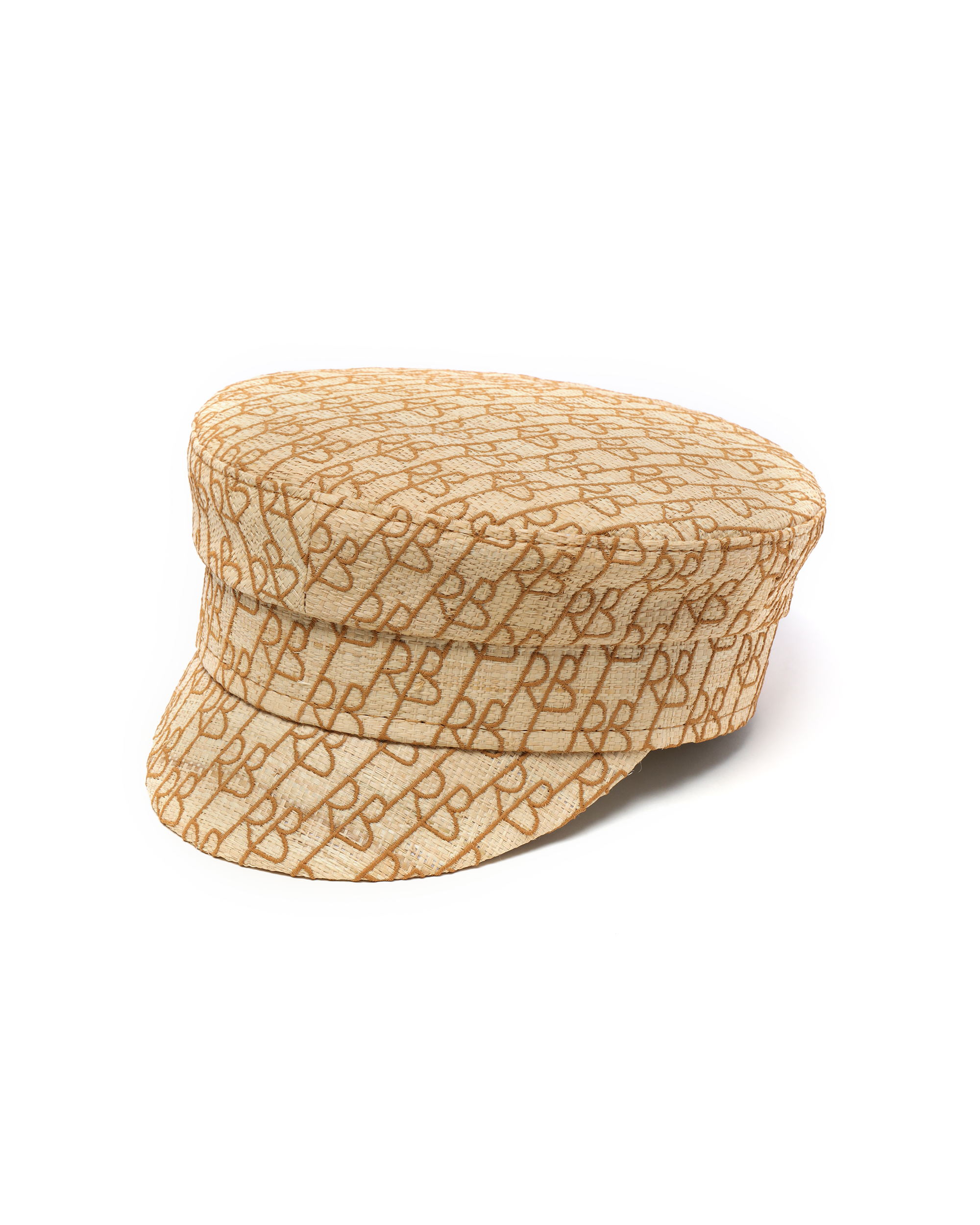
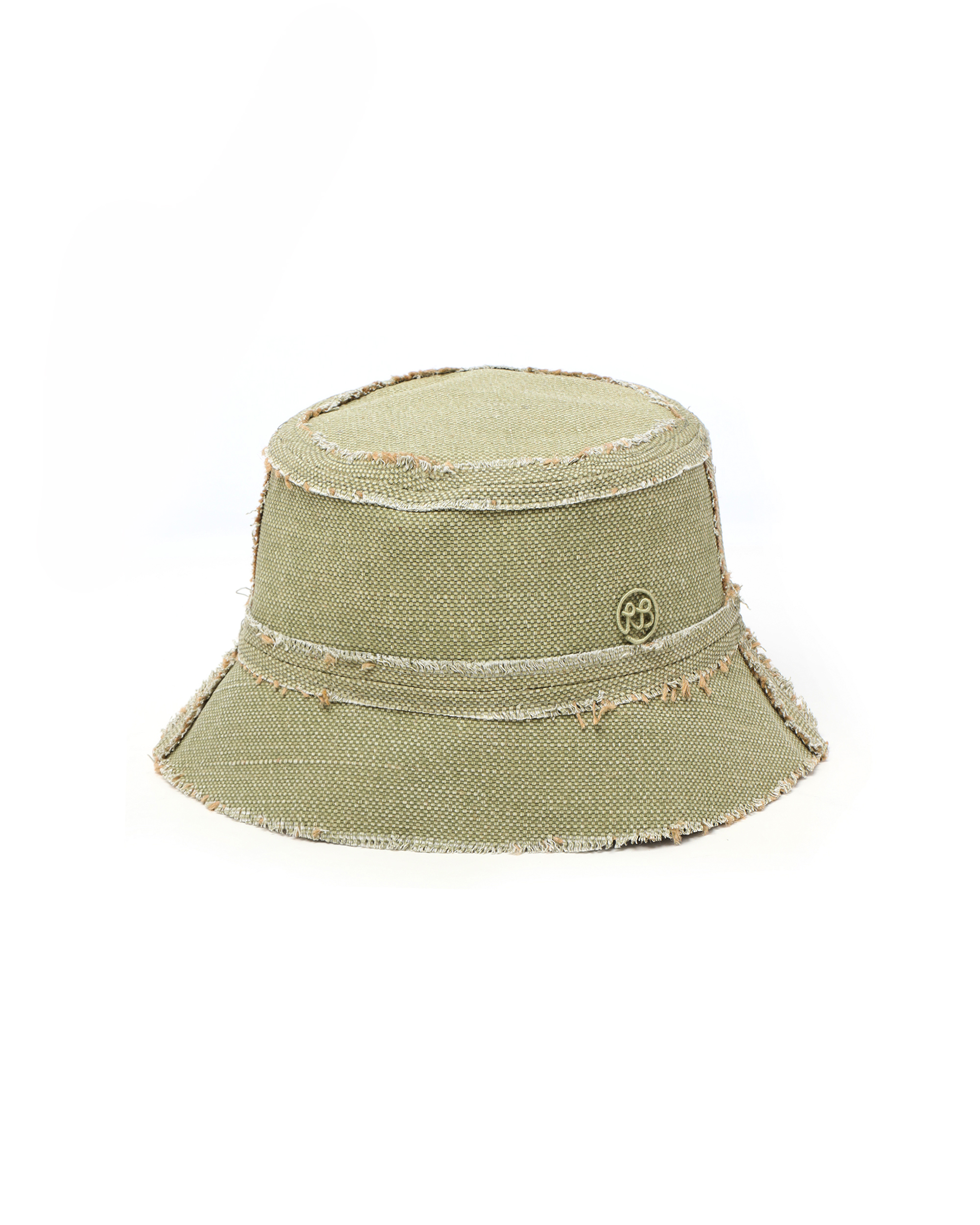
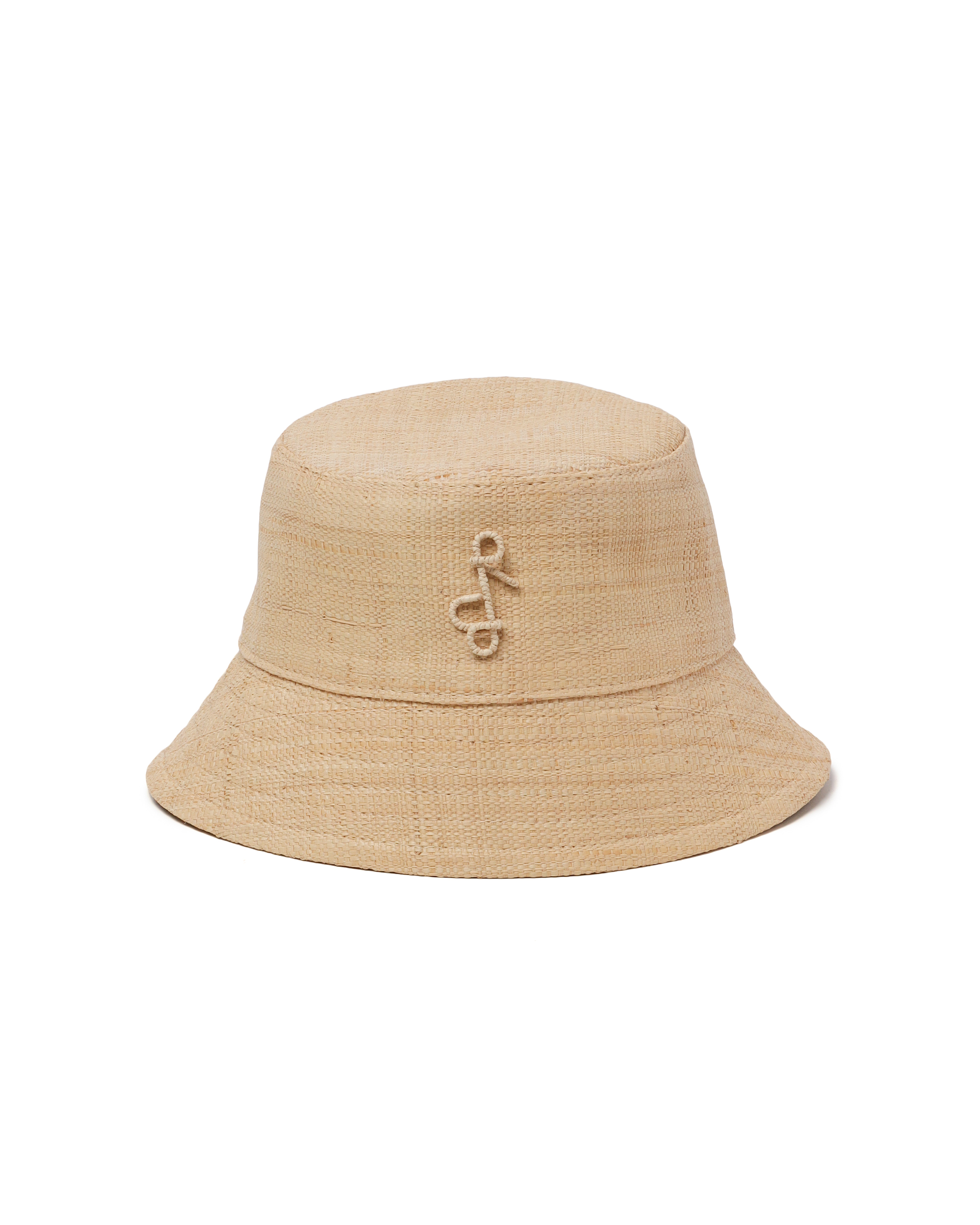
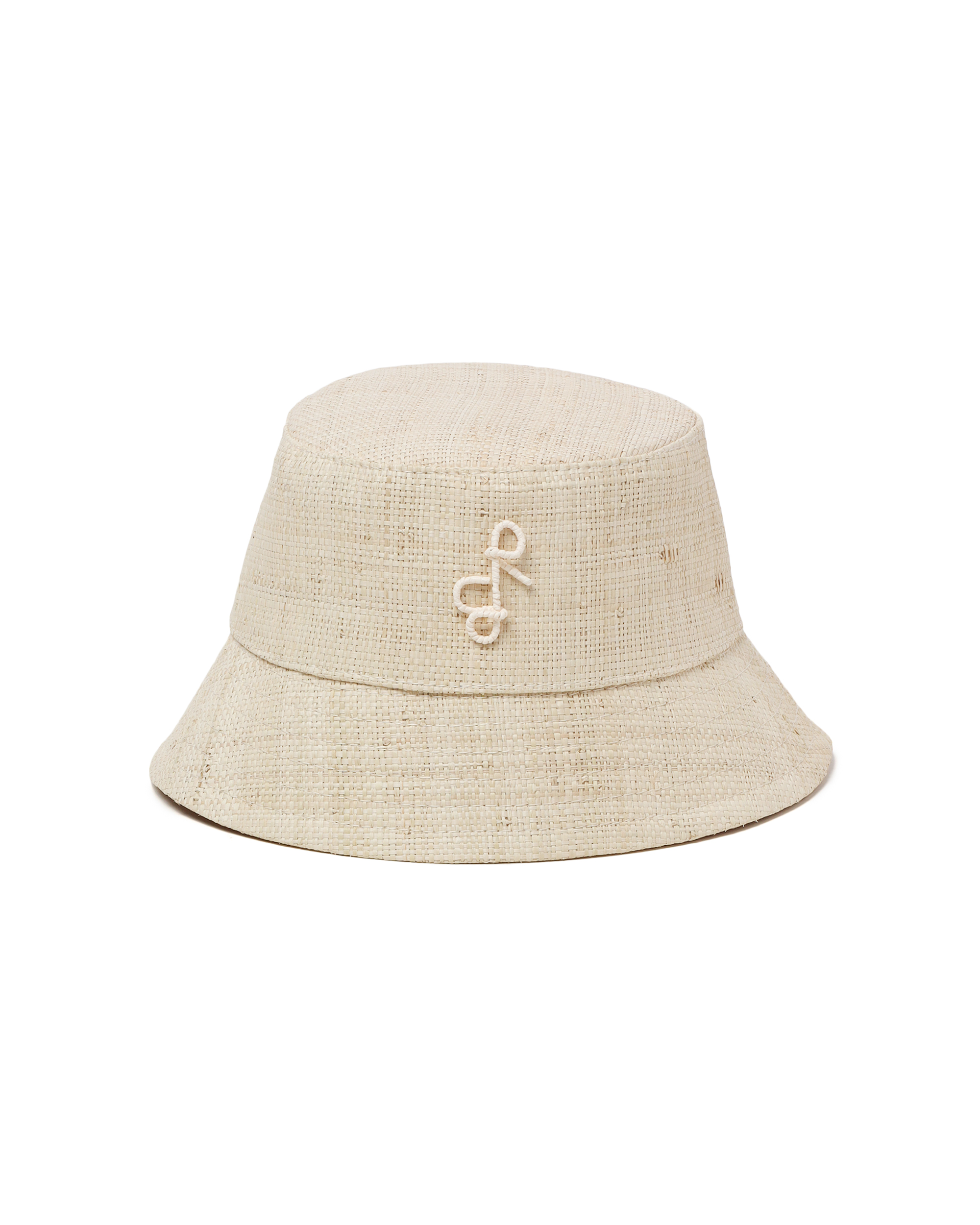
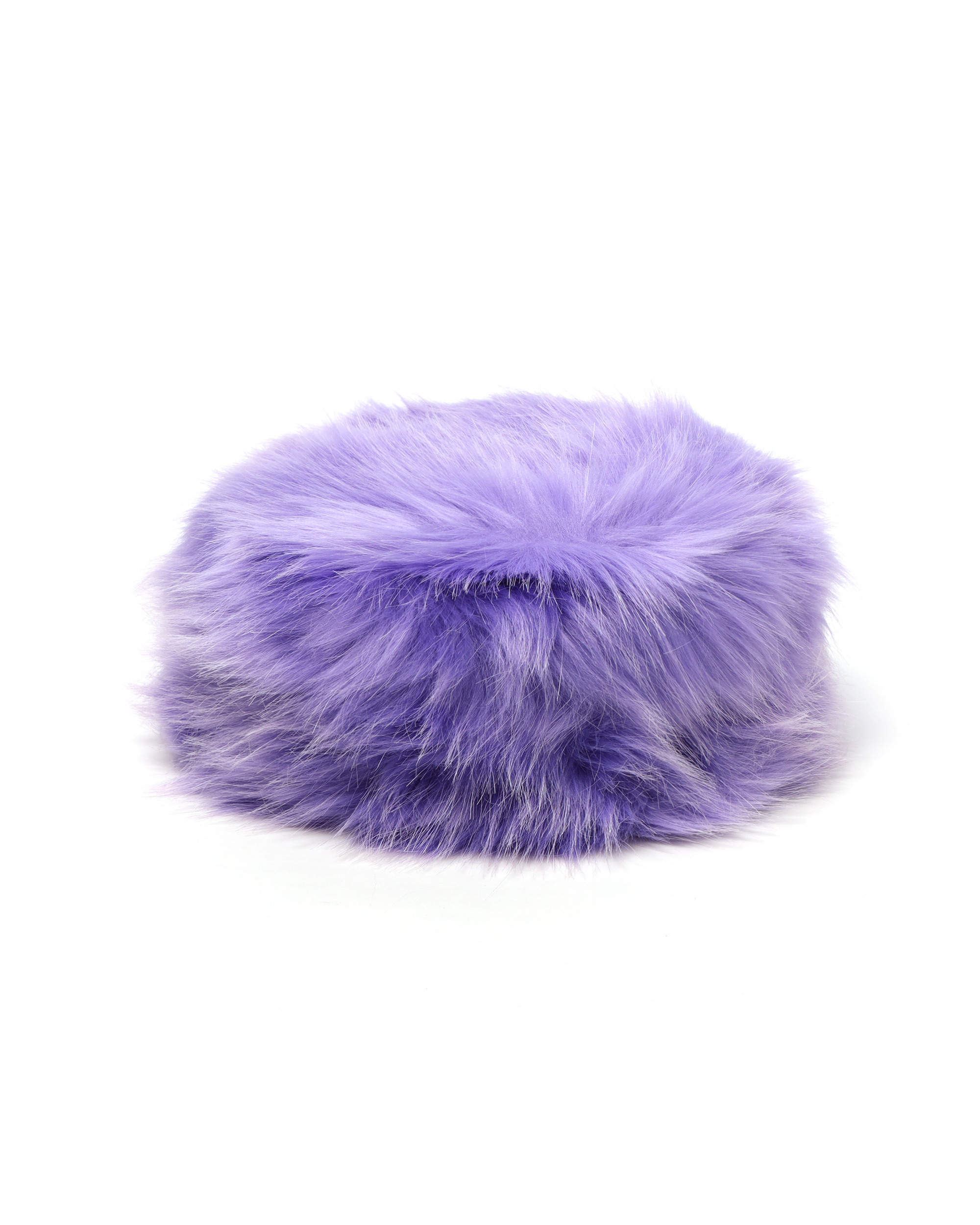
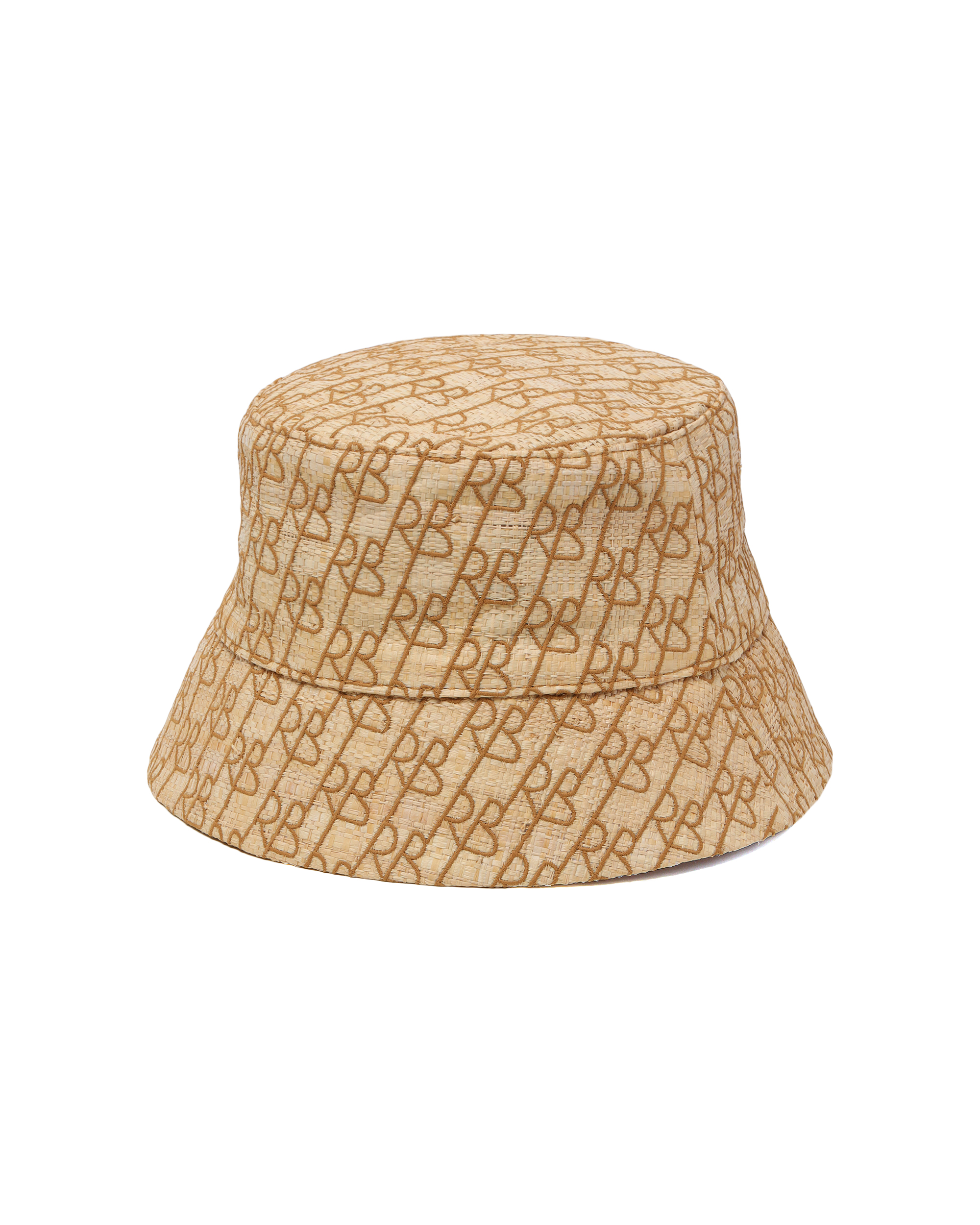
There is a peculiar magic in the way a single accessory can carry the weight of a nation’s story, and no one understands this alchemy better than Ruslan Baginskiy. The Ukrainian milliner, who has spent the better part of a decade placing sculptural berets and straw boaters atop the heads of Beyoncé, Bella Hadid, and the entire cast of *The White Lotus*, has become something far more significant than a celebrity favorite. He has become a quiet diplomat, wielding felt and straw as instruments of cultural persuasion on a global stage. The journey from his native Kharkiv—a city now synonymous with wartime resilience—to the gilded streets of Paris, where his designs appear in Season 5 of *Emily in Paris*, is not merely a fashion success story. It is a masterclass in how soft power can be woven, quite literally, into the fabric of our daily dressing.
When Baginskiy first launched his label in 2015, the idea that a Ukrainian hatmaker would one day dress the world’s most photographed pop stars seemed like a distant fantasy. Yet his rise has been methodical, rooted in a deep reverence for traditional millinery craftsmanship that he has reinvented with a distinctly contemporary edge. His signature oversized bows, structured brims, and playful proportions have made hats feel urgent again, transforming an often-overlooked accessory into the focal point of a modern wardrobe. But the real turning point came in 2022, when Russia’s full-scale invasion of Ukraine forced Baginskiy to make an impossible choice. Rather than shutter his atelier, he doubled down, relocating production and using his platform to spotlight Ukrainian artistry. This defiance of circumstance is precisely what elevates his work beyond the purely aesthetic. Every hat that leaves his workshop carries a narrative of survival, a subtle proclamation that creativity cannot be bombed into submission.
The Moment Hats Became a Thing
The recent coverage in *Vogue* declaring hats "a thing in 2025" is not hyperbole; it is a direct acknowledgment of Baginskiy’s influence. His designs have permeated the cultural zeitgeist in a way that feels organic yet calculated, appearing on the heads of street style stars during fashion month and on the sets of prestige television. The placement of his pieces in *Emily in Paris* is particularly telling, not just as product placement but as a deliberate act of cultural representation. Ukrainian brands taking over the show’s fifth season is a loaded gesture, a soft-power maneuver that introduces millions of viewers to the sophistication of Ukrainian design without a single political speech. When Emily Cooper dons a Baginskiy beret while navigating the romantic chaos of the French capital, she is unknowingly participating in a larger dialogue about resilience, identity, and the unassailable elegance of a nation that refuses to be defined by conflict.
Beauty as a Form of Resistance
What makes Baginskiy’s brand so potent in this arena is its refusal to be pigeonholed as "protest fashion." There is no overt sloganeering, no heavy-handed symbolism; instead, there is an unwavering commitment to beauty as a form of resistance. His latest ventures—including his first foray into fragrance and an immersive "wonder room" installation in Mykonos—demonstrate a holistic approach to lifestyle that extends far beyond headwear. This expansion is a confident statement of longevity, proving that a Ukrainian brand can compete on the global luxury stage, not as a novelty, but as a serious player with a distinct point of view. The perfume launch, reported by *WWD*, is particularly clever; scent is the most intimate form of memory, and by entering this market, Baginskiy is ensuring that his brand becomes embedded in personal ritual, not just seasonal trends.
The Hat as an Emissary
This is the essence of soft-power diplomacy in the modern era: the ability to shift perceptions through admiration rather than coercion. When an It-girl like Emily Ratajkowski braves the snow in a Baginskiy beret, as spotted by *Harper’s Bazaar*, she is making a statement that transcends her outfit. She is signaling that Ukrainian craftsmanship is not a niche interest but a cornerstone of contemporary style. The hat becomes a conversation starter, a subtle badge of cultural fluency that invites questions and, in turn, educates. Baginskiy has mastered this language, turning his creations into emissaries that travel the world, telling a story of grit and grace wherever they land.
In an era where digital discourse is often dominated by noise and outrage, there is something profoundly elegant about a well-made hat as a tool for change. Ruslan Baginskiy has proven that you do not need a podium to influence global opinion; you need a vision, a relentless dedication to your craft, and the audacity to believe that a single accessory can carry the hopes of a nation. As his berets continue to grace the heads of pop girlies and prestige television stars alike, they do more than complete an outfit—they quietly rewrite the narrative of what Ukrainian culture represents. And in doing so, they remind us that sometimes the most powerful statement is not shouted, but worn.