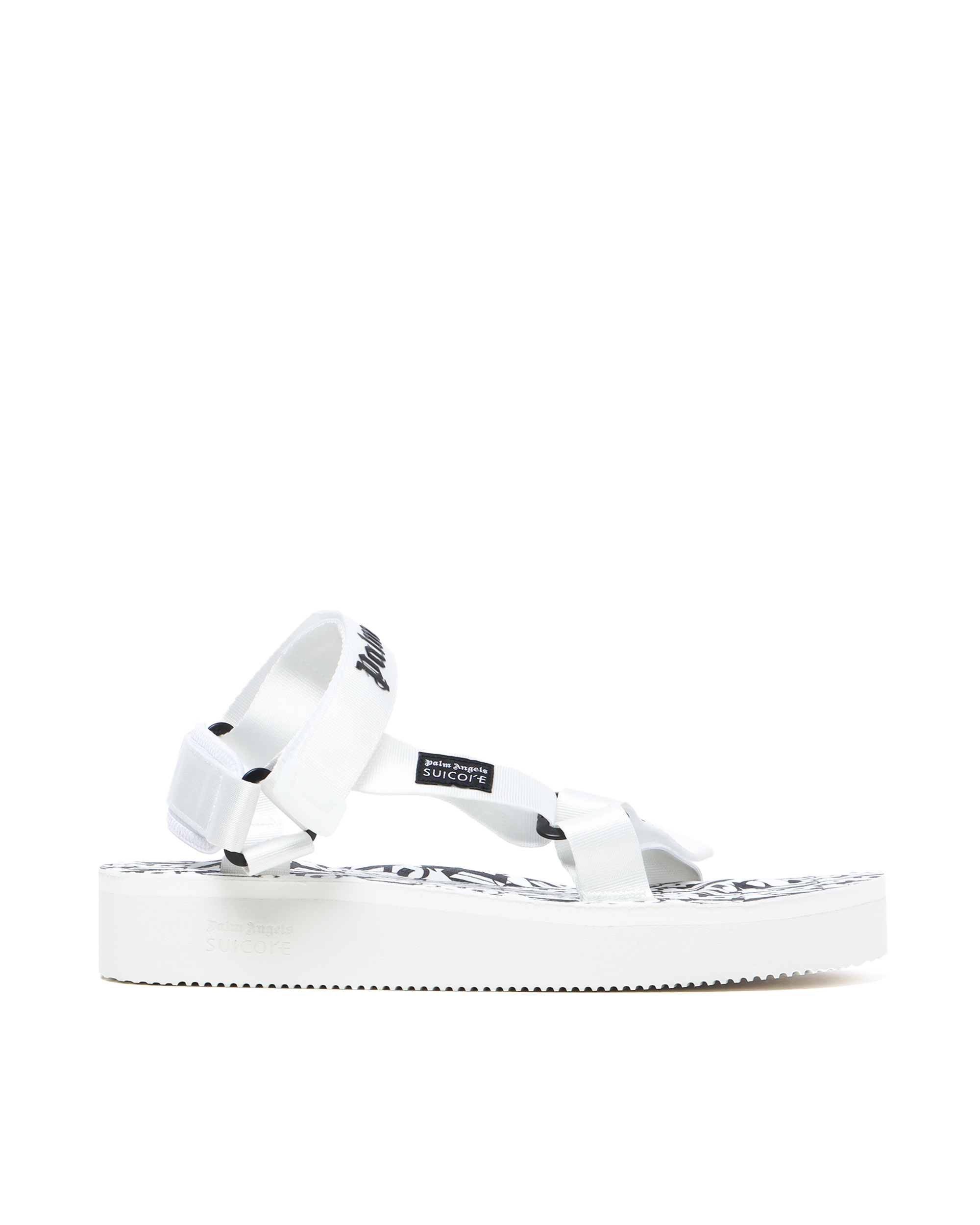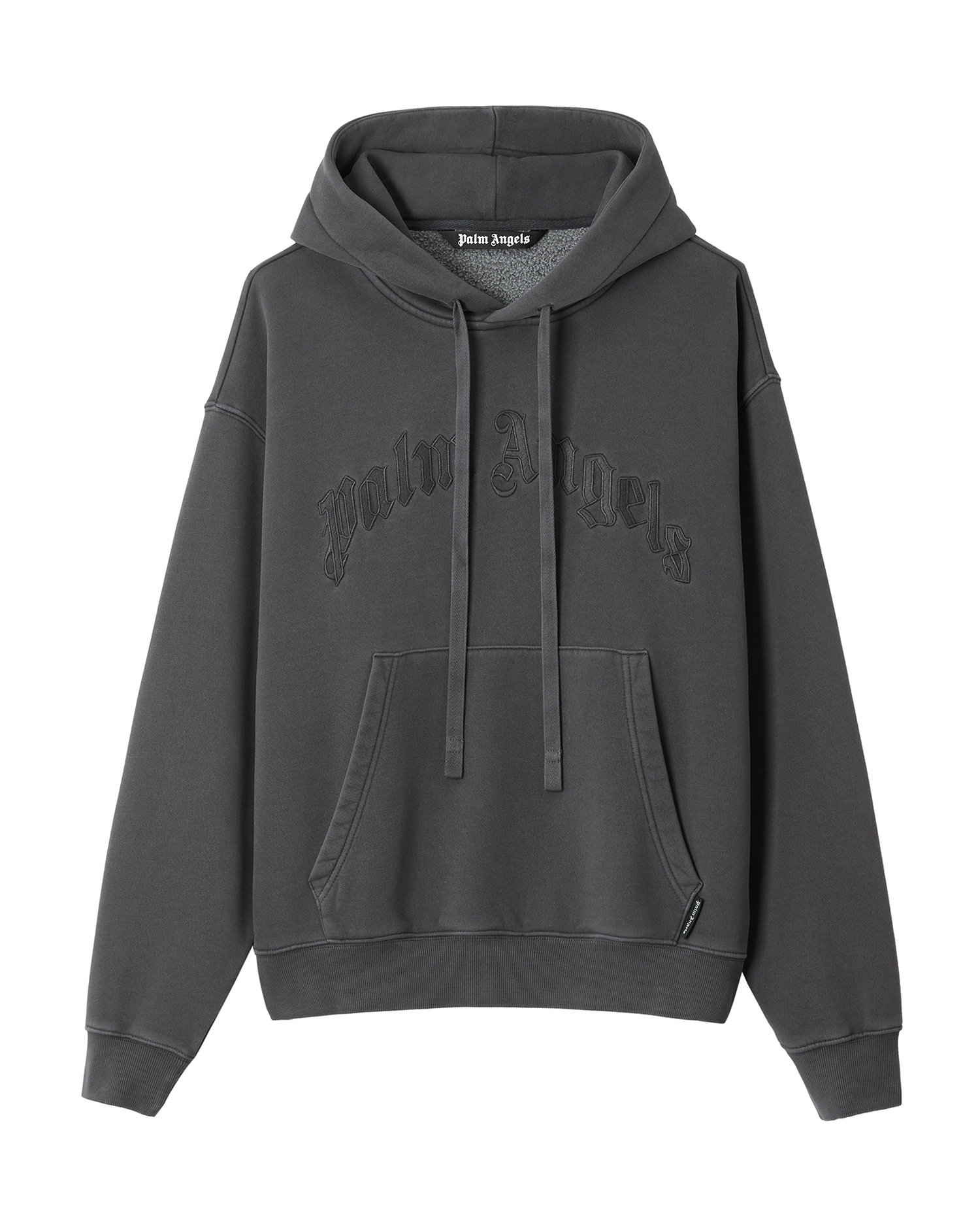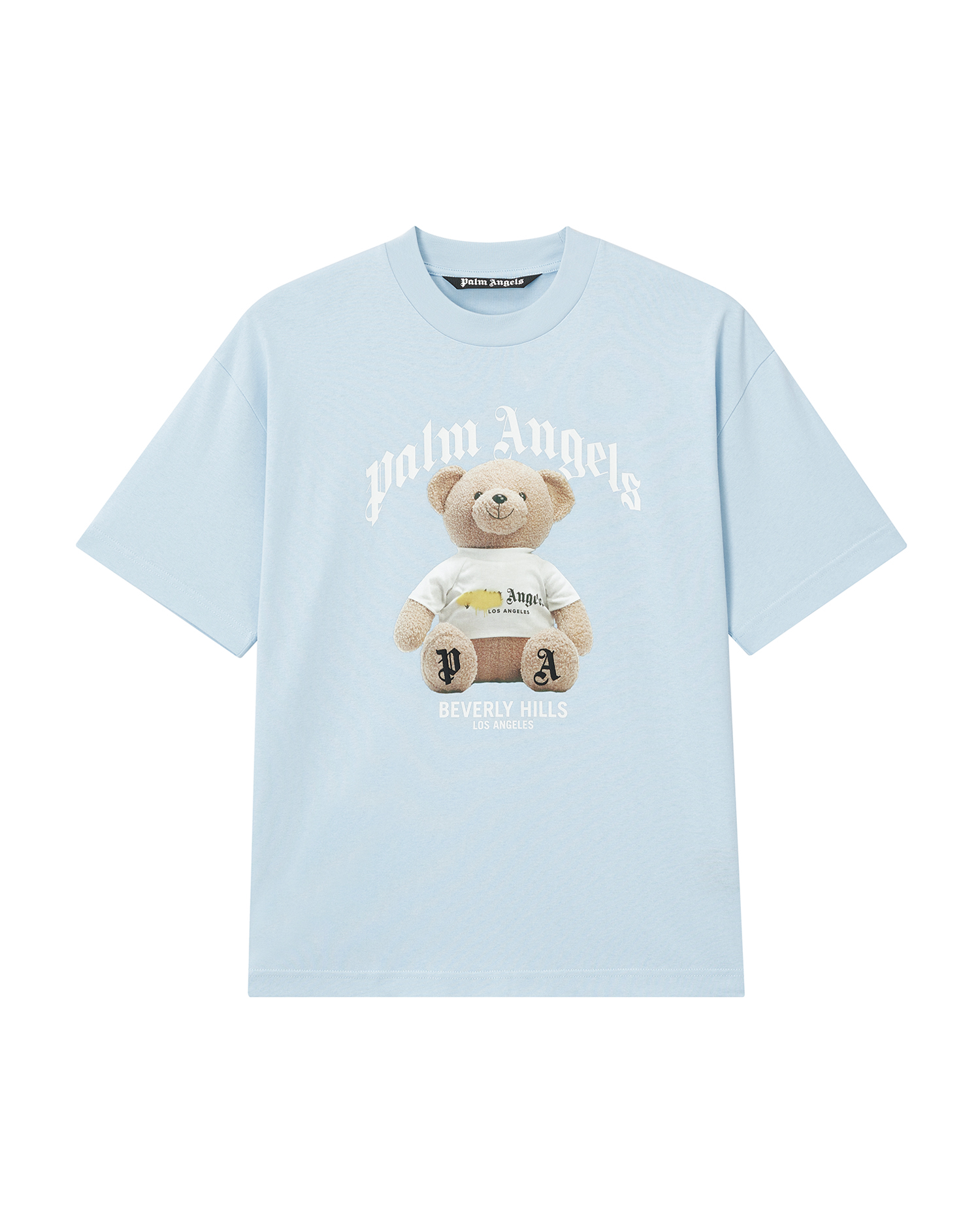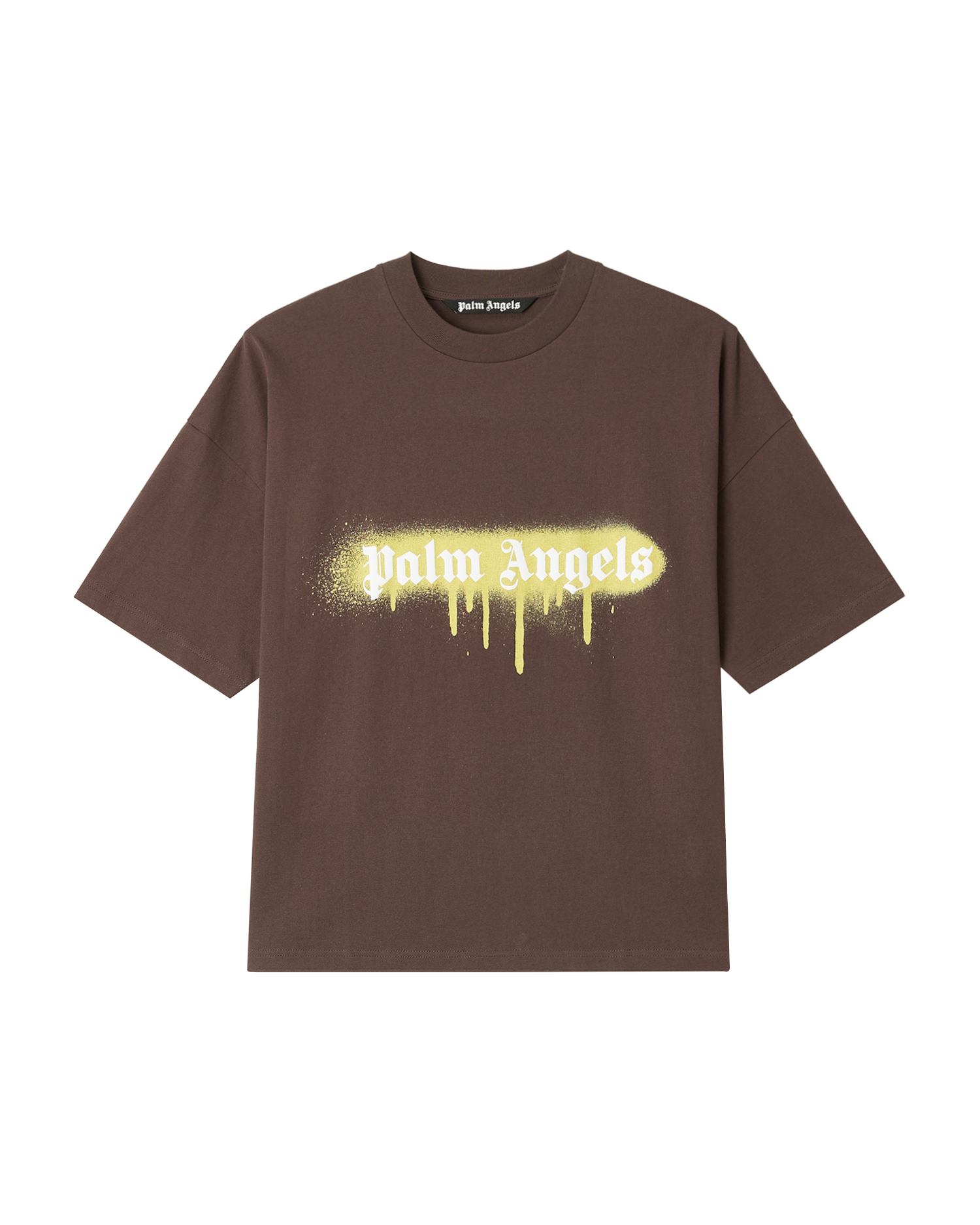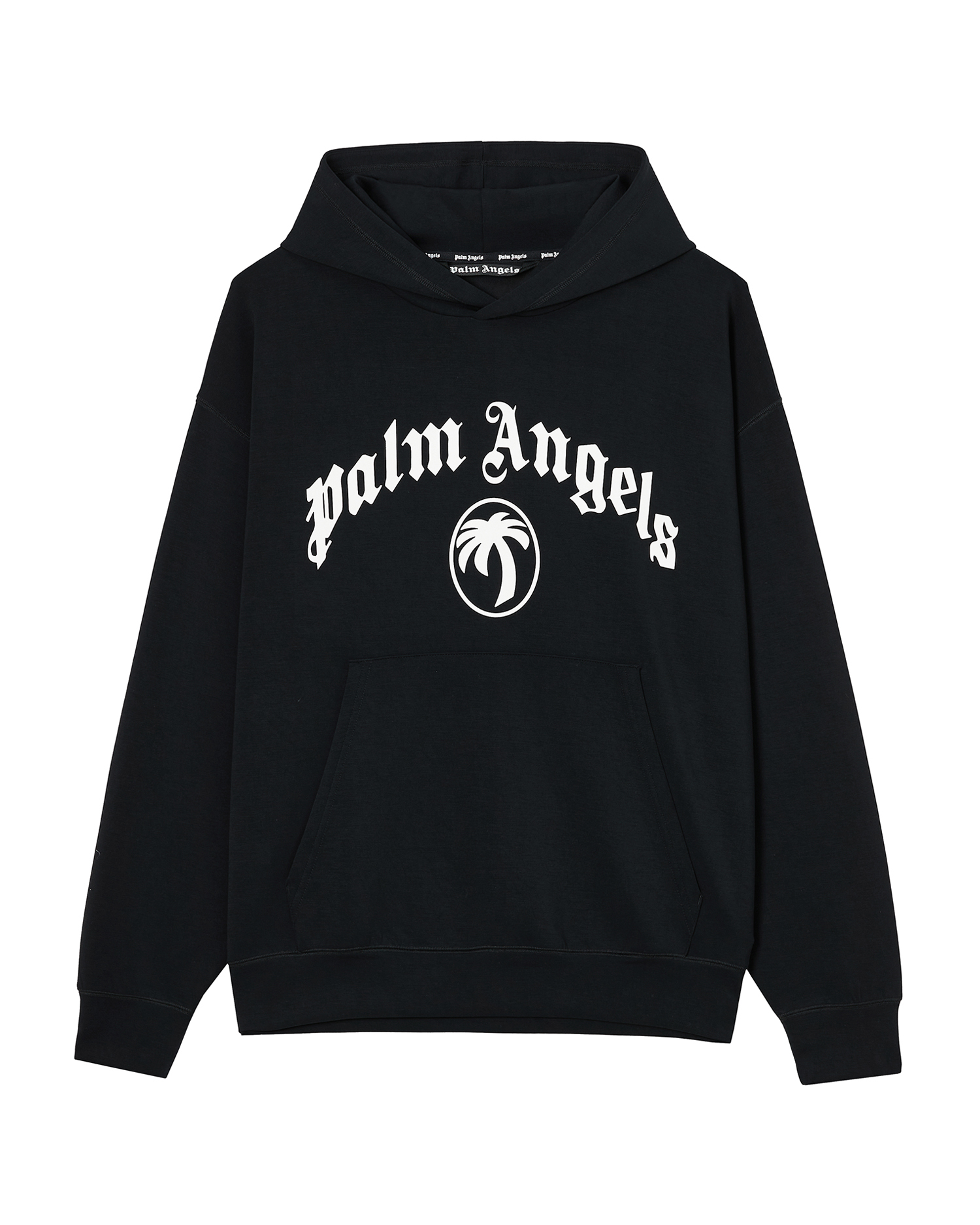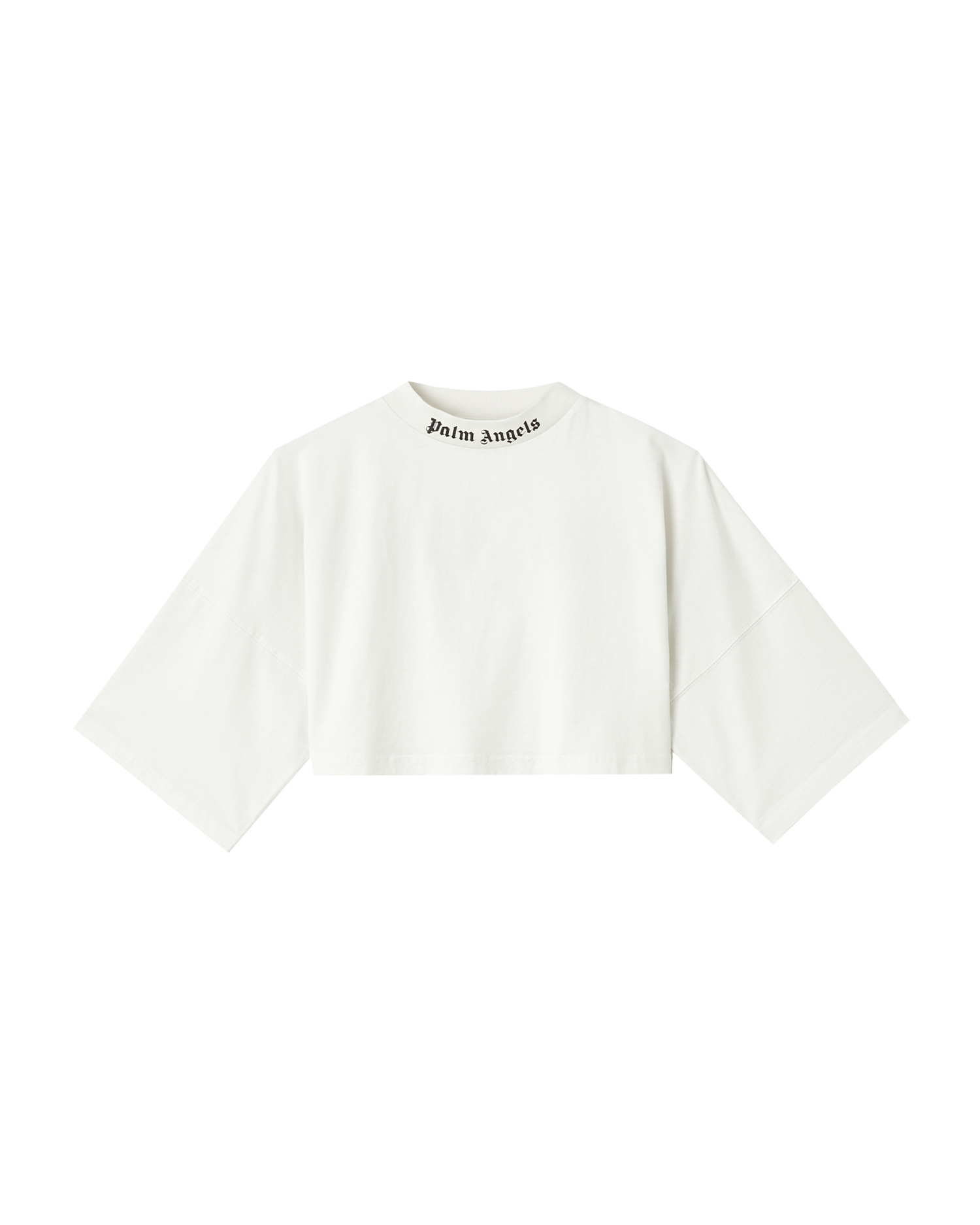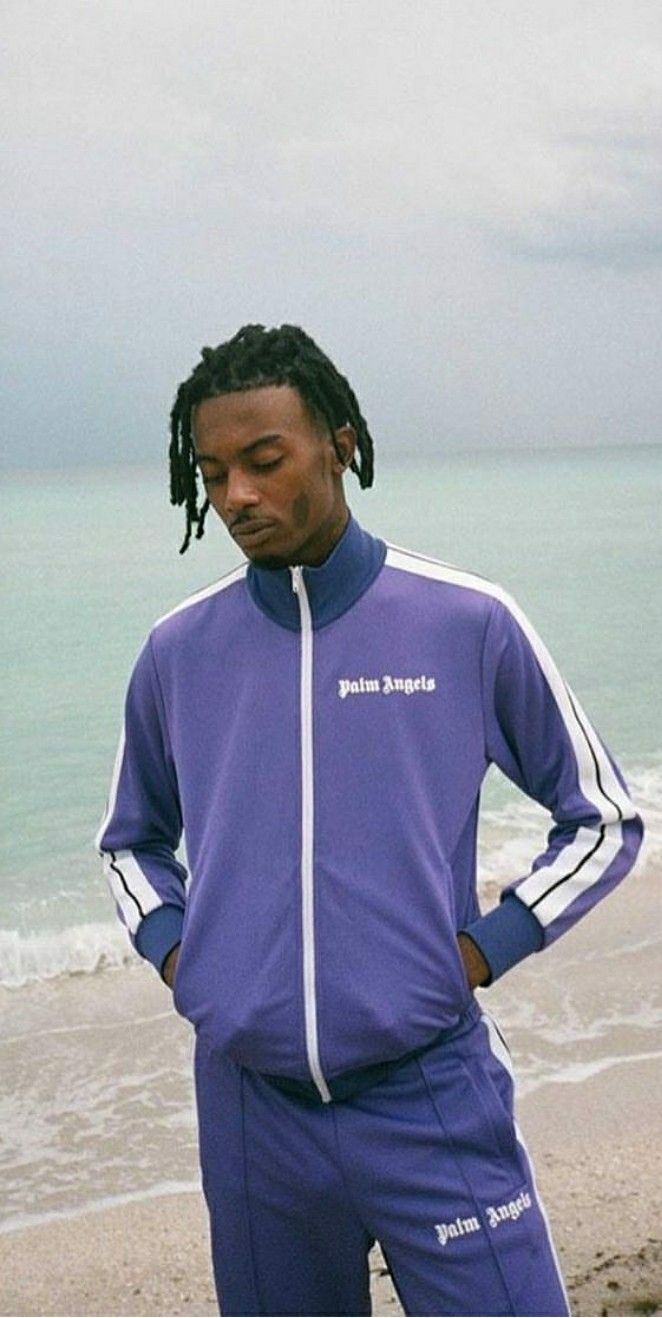
For a decade, Palm Angels has traded on the iconography of the skatepark—the sun-bleached decks, the scuffed sneakers, the languid defiance of a kid rolling past a "No Skateboarding" sign. That visual language, first codified by Francesco Ragazzi in his 2014 photobook and later translated into a multi-million-dollar streetwear empire, has been the brand’s defining cipher. But the launch of PLAY Palm Angels, a new lifestyle label unveiled this month, marks a deliberate and decisive rupture from that heritage. It is not merely a diffusion line or a capsule collection; it is a strategic repositioning of the entire house into a post-skatewear era, one where the brand’s future is not anchored in the concrete bowl but in the broader, more aspirational currents of contemporary luxury.
The skateboard was always a vehicle, not a destination. Ragazzi, a former creative director at Moncler, understood early on that the aesthetic of California’s skate subculture offered a potent shorthand for rebellion—but rebellion, in fashion, has a short shelf life. As the market becomes saturated with hoodies and graphic tees bearing the logos of once-underground labels, the very notion of "streetwear" has flattened into a generic uniform. PLAY Palm Angels is a calculated answer to that fatigue.
A New Dialect, Stripped of the Deck
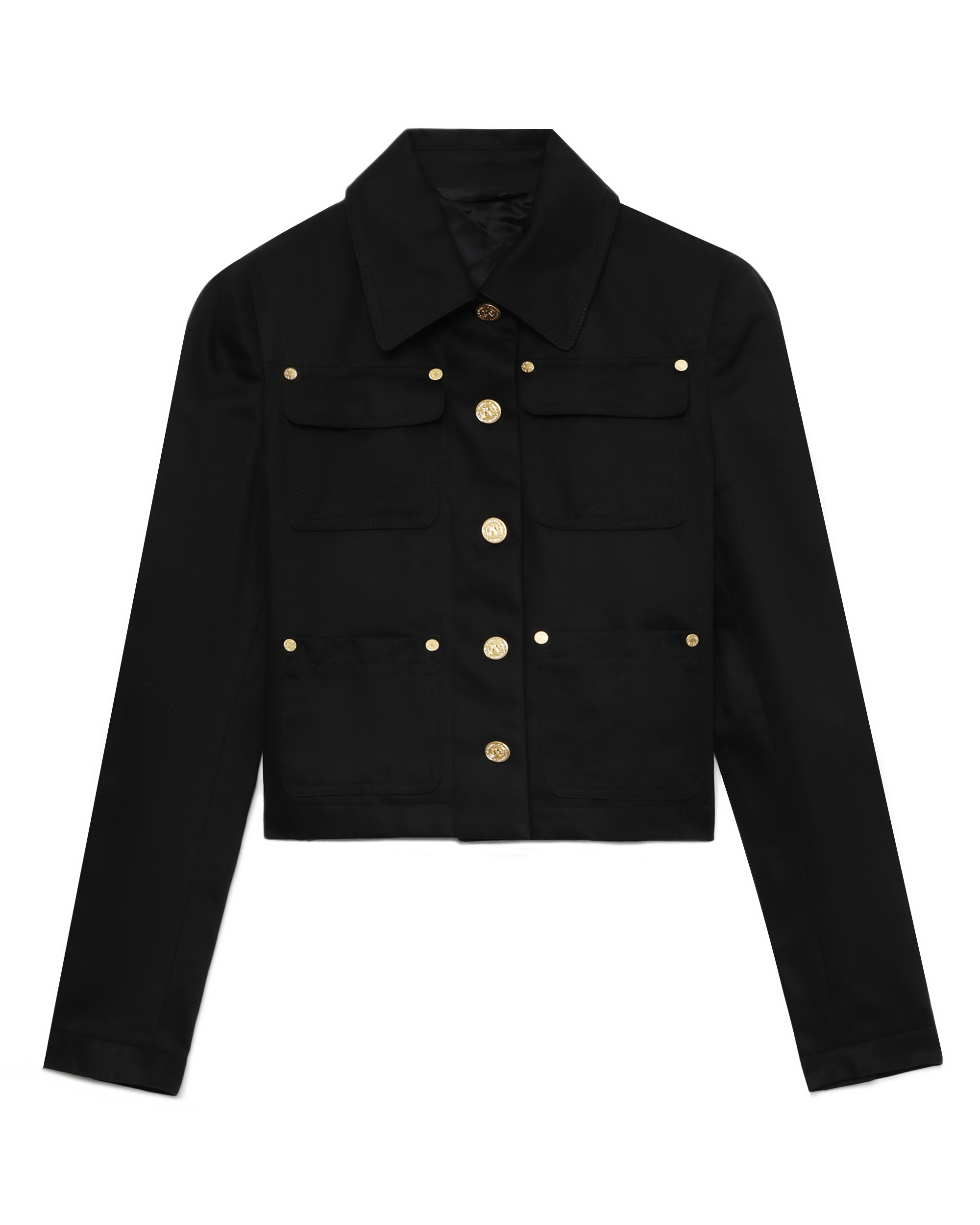
By stripping away the overt skate references—the wheels, the boards, the graffiti-scrawled fonts—the new label leans into a cleaner, more versatile design vocabulary. Think elevated basics, refined tailoring, and a muted palette that whispers rather than shouts. The tactile shift is immediate: heavier cottons, softer cashmere blends, the kind of nylon bombers that drape rather than puff. It is Palm Angels for the boardroom, the gallery opening, and the late-night flight, not just the Venice Beach parking lot. The graphics are subtler, the logos smaller, the overall effect one of quiet confidence rather than loud assertion.
This is not dilution; it is translation. The same ease that once lived in an oversized hoodie now finds its way into a sharp-shouldered blazer or a fluid trouser. The attitude remains—the nonchalant swagger, the California dreaming—but the volume has been turned down, the palette cooled. It feels less like a skatepark and more like the drive along the Pacific Coast Highway at golden hour: still rebellious, but in a way that knows exactly where it’s going.
The Industry Pivot: From Drops to Longevity
This move aligns with a broader industry recalibration. The hype-driven, drop-based model that fueled the last decade of streetwear is showing its age; consumers are increasingly seeking longevity over limited-edition scarcity. PLAY Palm Angels responds to that shift by offering a more democratic and wearable proposition, one that can sit comfortably alongside heritage luxury houses rather than competing with them for street cred. The timing is telling.
The brand’s recent FW26 "Lost Frames" campaign, which takes a cinematic, behind-the-scenes approach, and its SS26 foray into biking culture, both signal a move away from the skatepark’s narrow visual lexicon toward a more expansive, lifestyle-oriented narrative. These are not merely seasonal themes; they are the scaffolding for a brand that wants to be everything to everyone, without losing its edge. The cinematic energy of "Lost Frames" feels like a film still, while the biking references evoke a different kind of freedom—one that is less about ollies and more about open roads.
A Commercial Instinct, Sharpened
The launch also speaks to a savvy commercial instinct. A dedicated lifestyle label allows Palm Angels to diversify its product offering without diluting the parent brand’s identity. While the main line can continue to experiment with high-octane, runway-ready pieces, PLAY can churn out the cashmere-blend sweats and nylon bombers that form the backbone of a modern luxury wardrobe. This bifurcation is a proven strategy—see how The Row separates its mainline from its more accessible "eye" line—but for Palm Angels, it feels particularly urgent.
The brand has spent years cultivating an image of effortless cool, and that image is now mature enough to extend beyond skatewear into categories like optical (with Mondottica’s recent distribution deal) and even custom couture, as seen in its collaboration with MESTIZA at Hï Ibiza. The thread connecting all these ventures is not the skateboard; it is a certain sun-drenched, hedonistic ease that Ragazzi has consistently mined from his California references. Each new category feels like a natural extension of that worldview, not a stretch.
The Destination Is Everywhere
What remains to be seen is whether PLAY Palm Angels can capture the same cultural resonance as its predecessor. The skatewear era was built on authenticity—Ragazzi was a documenter of a scene before he was a designer. The new label, by contrast, is a construction, a deliberate act of branding. But that is precisely the point. In fashion, evolution is survival, and the brands that endure are those that can shed their skins without losing their souls.
PLAY Palm Angels is not an abandonment of the brand’s DNA; it is a translation of it into a new dialect. The skateboard has been parked, but the attitude—the nonchalant swagger, the California dreaming—remains the engine. The future of Palm Angels is no longer about where you skate, but where you go next. And with this launch, Ragazzi has made it clear that the destination is everywhere.